
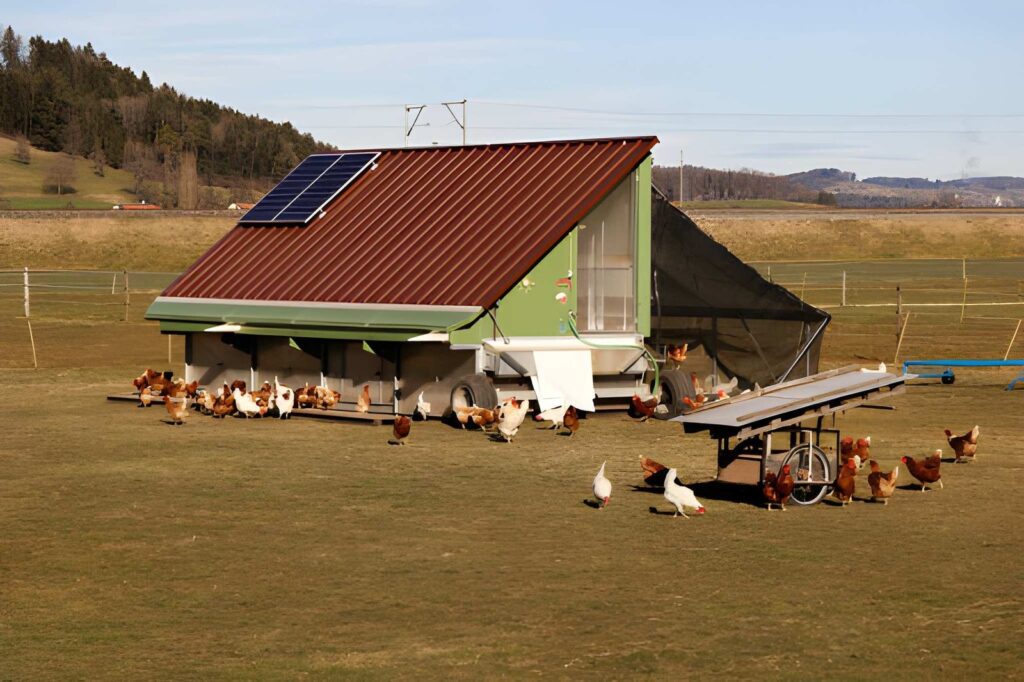
Electricity is one of the largest operating costs in poultry farming. Fans run for long hours. Lighting schedules are strict. Water lines and feeding support must stay active every day. When power becomes unstable, farm performance can drop quickly. In layer operations, poor lighting consistency can affect egg output. In broiler operations, weak ventilation can raise stress and lower growth results.
That is why more farm owners are seriously evaluating solar. The goal is not only to lower monthly bills. The bigger goal is better control. A well-designed solar system helps reduce exposure to sudden rate increases and gives your operation a more stable energy base. For farms trying to protect margins in a competitive market, this matters a lot.
If you are in early planning, you can first estimate your load and target system size through the Solar Setup Builder. That makes supplier discussions more practical because you start with actual demand, not guesswork.
Is a solar system worth it for poultry farms in the Philippines?
For many farms, yes. A properly sized solar system can lower daytime power costs, make monthly expenses easier to forecast, and support continuity when grid power is unreliable. The strongest results usually come from systems designed around real farm load profiles, not generic templates. If your load is heavy during daylight hours, solar has more room to deliver strong savings.
Most projects are evaluated on long-term economics, not first-year savings alone. Farms commonly model payback in the three- to six-year range, then continue benefiting from lower effective energy cost over the next decade or more. Actual outcomes vary, but the direction is clear: careful design improves both reliability and profitability.
What Is a Solar System for Poultry Farms in the Philippines?
A poultry farm solar setup usually includes panels, mounting structures, an inverter, wiring and protections, and sometimes battery storage. Panels generate electricity from sunlight. The inverter converts this into usable AC power for farm equipment. During sunny hours, farm loads can run directly from solar output. If demand is higher than production, the grid supplies the difference.
In a hybrid system, batteries can store excess energy and support critical loads when outages occur. This is useful for circuits that should not fail, such as key ventilation lines, water pumps, and selected controls. You can also compare equipment categories and specs through Solar Components before final procurement.
A good system is sized with operational intent. That means matching generation to daytime demand, not maximizing panel count for marketing value. In poultry farms, practical design is better than oversized design.
Why Poultry Farms in the Philippines Are Switching to Solar
Poultry operations use power almost nonstop. Grid prices can also change quickly. That combination creates pressure on farm margins.
Solar helps by:
- Cutting electricity bills
- Reducing exposure to future rate increases
- Protecting critical loads during outages (with hybrid backup)
- Making monthly operating costs more predictable
- Supporting cleaner farm operations
What Is Poultry Farming in the Philippines?
Poultry farming in the Philippines covers both broiler production for meat and layer production for eggs. These models have different production cycles, but they share one thing: both rely on controlled, repeatable conditions. Temperature, airflow, lighting rhythm, hydration, and feeding must be managed consistently. When one of these systems fails, the effect can spread fast across productivity, welfare, and quality.
Electricity ties all of this together. That is why energy strategy is no longer just a utility concern. It is a core part of farm management. As farms scale, electrical demand often increases faster than owners expect. Planning energy early helps avoid expensive upgrades later.
If you want market context on current system availability and installer activity, Solar Marketplace Philippines gives a useful view of listings and supply-side movement.
Is Poultry Farming Profitable in the Philippines?
Yes, poultry farming can be profitable, but profit is sensitive to cost control. Feed is usually the largest cost block, followed by labor and utilities. Electricity can quietly consume a major share of operating cash, especially when cooling and ventilation needs are high. Because of this, even moderate reductions in power cost can improve margin per cycle.
Solar helps by converting part of your variable monthly expense into a planned long-term asset. Instead of being fully exposed to grid pricing every month, you secure a portion of your energy at a lower effective cost over time. This does not remove all financial pressure, but it can improve consistency. In real operations, consistency is often just as important as peak profit.
That is why project decisions should focus on cash flow quality, not only headline savings. A stable farm is easier to run, easier to budget, and easier to grow.
How Solar Systems Work on Poultry Farms
At farm level, the workflow is straightforward. Panels capture sunlight and produce direct current. Inverters convert that into alternating current used by your equipment. The farm consumes this energy first during daytime operation. If solar output drops, the site draws from the grid. If a battery is installed, part of daytime energy can be stored and used for priority loads during interruptions.
The most important design step is mapping actual demand by hour. Poultry farms usually show strong daytime consumption from ventilation and support equipment, which is a good fit for solar self-consumption. This self-consumption pattern often drives the strongest economics because each kilowatt-hour used on-site can offset higher retail electricity cost.
For policy-fit projects, net metering may add value when excess power is exported. Still, on-farm use should remain the core strategy. Export credits can help, but high internal utilization usually creates better results for most poultry sites.
Is Poultry Farm Solar Profitable in the Philippines?
Solar is capital-intensive at the start, so profitability depends on execution quality. A good project aligns system size with demand, protects critical circuits, and avoids overbuilding. A weak project often starts with poor load data and unrealistic yield assumptions. The gap between those two approaches is large.
When farms evaluate returns, they should include tariff trends, operating profile, outage history, and equipment reliability. They should also test conservative and optimistic scenarios instead of relying on one forecast. In many cases, measured planning leads to three- to six-year payback estimates. After payback, the energy cost profile becomes much more favorable.
Hybrid systems can also be profitable, but the value case is different. Batteries often make the most sense when outage risk is costly. If one outage can disrupt bird welfare or production output, resilience has direct business value that goes beyond simple kWh savings.
How Much Does a Solar System Cost in the Philippines?
Cost depends on load size, site layout, component selection, and installation complexity. As a broad planning reference, small poultry farms needing around 3 to 5 kW often budget in the ₱250,000 to ₱400,000 range. Medium farms in the 10 to 20 kW band often land around ₱600,000 to ₱1.5 million. Larger commercial farms at 50 kW and above commonly start near ₱2 million and can go much higher depending on design scope.
These ranges are not final bids. They are early guideposts. Final pricing should be validated through comparable proposals with aligned assumptions. It also helps to check installer footprint and after-sales support through Solar Stores Directory, especially when service response time matters to operations.
The cheapest offer is not always the best offer. In farms, weak installation quality can cause more loss over time than the upfront savings from a low bid.
What Are the Requirements for Poultry Farming in the Philippines?
Before adding solar, the farm should already be compliant and operationally sound. That includes legal registration, required local permits, biosecurity rules, suitable housing design, and practical waste management controls. Water quality and availability should also be stable because power upgrades cannot fix core production weaknesses.
Think of solar as a performance multiplier. It improves cost efficiency and energy stability when the underlying farm system is already functional. If core compliance and management are weak, returns from solar can be delayed because operations are still unstable.
This is why serious projects start with integrated planning. Technical, legal, and operational steps should move together so commissioning is smooth and benefits appear faster.
How to Start Poultry Farming in the Philippines (With Solar in Mind)
If you are starting from scratch, build your poultry and energy plan at the same time. First, define your production model and target scale. Broiler and layer operations can have different energy timing, so system design must reflect your actual cycle behavior. Next, secure a site with proper zoning and logistics. Then design housing with airflow and thermal performance in mind, because cooling demand has direct power impact.
After this, perform a detailed load estimate for fans, lights, pumps, feeders, and support equipment. Use that demand map to plan a right-sized solar system. If reliability risk is high, evaluate hybrid backup for critical circuits early, not as a rushed add-on later. During procurement, compare technical assumptions carefully and prioritize lifecycle value over lowest capex.
For continued learning and practical updates, the Solar Blog and Energy News sections can help you stay current while planning.
How Many Solar Farms Are in the Philippines?
The number continues to grow as utility-scale and distributed projects expand across Luzon, Visayas, and Mindanao. This growth reflects policy momentum, investor interest, and ongoing demand for cleaner and more stable power. For farm owners, this is useful context. A growing market often improves ecosystem maturity, including installer experience, equipment channels, and financing familiarity.
At site level, what matters most is not national project count. What matters is whether your farm can convert available sunlight into dependable operating savings with a design that matches your real demand profile.
What Is the Largest Solar Farm in the Philippines?
Large projects in the country now deliver significant capacity to the national grid, with major developments in areas such as Nueva Ecija and other high-activity regions. These projects prove that solar is technically and commercially viable at scale.
But poultry operators should focus on a different lesson. You do not need utility-scale size to see meaningful impact. A correctly sized farm system can already improve cash flow and risk control. If you want to monitor broader deployment patterns, the Solar Live Map offers useful regional visibility.
Why Solar Power Makes Sense in the Philippines
The Philippines has strong solar resource in many areas, and that gives local projects a natural advantage. Better annual irradiation supports stronger generation potential, which can improve return when systems are designed and maintained properly. For poultry operations, this translates into better daytime offset opportunities and better long-term energy planning confidence.
Solar also supports management discipline. Once performance is monitored regularly, farms tend to get clearer on load behavior and waste points. That visibility can improve operational decisions beyond energy alone.
Why Poultry Farming Is Important in the Philippines
Poultry is a core part of national food supply and rural livelihoods. It supports jobs, income, and everyday food access across many communities. Because demand remains strong, farms that improve efficiency are better positioned to stay competitive in both pricing and quality.
Energy cost control is a major part of that efficiency. When farms reduce avoidable electricity expense, they gain room to reinvest in better housing, better controls, and stronger biosecurity. Over time, that can improve both productivity and resilience.
Final Take: Is a Solar System Worth It for Poultry Farms?
If your objective is long-term profitability with better operational stability, solar is a strong option worth serious planning. It will not remove every cost in poultry farming, but it can reduce one of the biggest recurring expenses and help protect critical operations when paired with the right backup strategy.
The smartest path is simple. Start with real load data. Size around daytime self-consumption. Add storage only where outage impact justifies it. Use qualified suppliers, compare proposals on equal assumptions, and monitor performance after commissioning. That approach gives the best chance of strong financial results and stable day-to-day operations.