
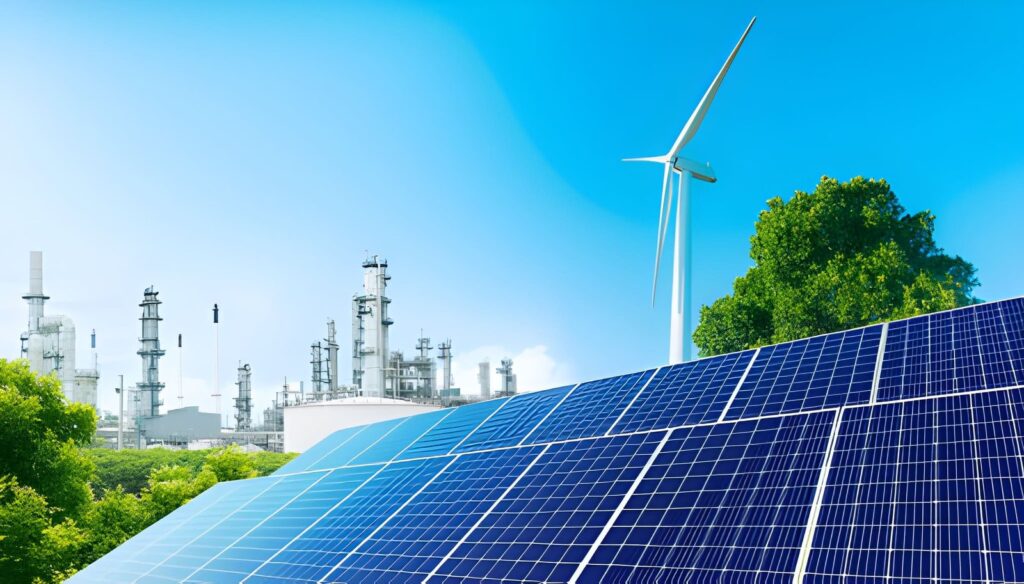
What is renewable energy?
Renewable energy is energy derived from natural sources that are replenished on a human timescale, which is the clearest renewable energy definition and the simplest renewable energy meaning. The term what is renewable energy refers to power produced from resources that renew through natural processes rather than resources that are permanently depleted after use.
In practical terms, the meaning of renewable energy is tied to the source itself, not only to the electricity or heat it produces. A resource qualifies as renewable when nature restores it continuously or repeatedly fast enough to support long-term use. For that reason, the renewable energy definition centers on replenishment and continuity rather than on a specific fuel, machine, or technology.
What makes renewable energy renewable?
Renewable energy is renewable because it comes from renewable resources that are naturally restored through ongoing environmental processes at a rate that supports repeated use over time. In other words, what is considered renewable energy depends on whether the underlying resource is replaced by nature rather than exhausted from a fixed supply.
This core qualifier matters more than the equipment used to capture the energy. The renewable energy definition is based on the source’s ability to replenish itself through sunlight, atmospheric movement, water cycles, biological growth, or Earth’s internal heat. If a resource can recover naturally and remain available across generations, it fits within the definition of renewable resources.
Is renewable energy naturally replenished?
Yes, renewable energy is naturally replenished, which is one reason it is often discussed in relation to the question is renewable energy sustainable. In most cases, the answer is yes because renewable resources are restored by natural systems, meaning they address the idea behind can renewable resources be replaced through ongoing cycles rather than through extraction from a shrinking stock.
That replenishment is exactly what helps define what is considered renewable energy. A source is called renewable when nature keeps renewing it fast enough to support continued use.
What are renewable energy sources?
Renewable energy sources are natural energy resources that are replenished and can be used repeatedly to produce heat, fuel, or electricity. The phrase what are renewable energy sources refers to the main categories of renewable energy resources used across homes, businesses, transport systems, and electric grids.
What are the main types of renewable energy?
The main types of renewable energy are the major source categories that naturally regenerate and can be converted into usable power. In discussions about the types of renewable energy and the types of renewable energy sources, these are the core groups most commonly included:
Solar energy
Energy captured from sunlight using technologies that convert solar radiation into heat or electricity.
Wind energy
Energy generated by moving air, usually with turbines that convert wind motion into electrical power.
Hydropower
Energy produced from flowing or falling water, which can drive turbines and generate electricity.
Geothermal energy
Energy drawn from heat stored beneath the Earth’s surface and used for electricity generation or direct heating.
Biomass energy
Energy produced from organic material such as plant matter, wood, agricultural waste, or other biological resources.
Marine energy
Energy taken from tides, waves, or other ocean-based movements, though it is less widely used than the main categories above.
Is solar energy a renewable energy source?
Yes, solar energy is renewable because sunlight is continuously supplied by natural processes. That is why the answer to is solar energy renewable and is solar energy a renewable resource is clearly yes.
In the comparison is solar energy renewable or nonrenewable, solar energy is renewable. The energy source itself is naturally replenished every day, which places it within renewable energy.
How does renewable energy work?
Renewable energy works by capturing energy from naturally recurring processes and converting it into usable forms such as electricity, heat, or fuel. At the most basic level, how does renewable energy work and how renewable energy works both refer to the same simple process: natural flows and cycles provide raw energy, and technologies transform that energy into power that can be used.
The process usually follows the same broad pattern. A renewable source provides motion, heat, radiation, or biological material. A device or system then captures that input and converts it into energy suitable for homes, businesses, transportation, or industrial use. Renewable energy therefore works by turning naturally renewed energy inputs into practical energy outputs.
How does renewable energy make electricity?
Renewable electricity is made by converting natural energy flows into electrical power through mechanical, thermal, or photovoltaic processes. Broadly speaking, the explanation behind how does solar energy work and how does wind energy work follows the same larger principle: a renewable source is captured, converted, and delivered into an electrical system for use.
Some systems make electricity by spinning turbines with moving air, water, or steam. Others generate electricity directly when sunlight interacts with specialized materials. Regardless of the source, the goal is the same: convert naturally available energy into usable current that can power lights, machines, electronics, and the grid.
Does renewable energy depend on natural cycles?
Yes, renewable energy depends on natural cycles because renewable resources are renewed through repeating environmental processes such as sunlight, weather, water movement, biological growth, and geothermal activity. That process logic is central to how does renewable energy work.
Because those cycles continue over time, renewable energy is sustainable in a way fixed fuels are not. Its long-term use depends on nature’s capacity to keep replenishing the resource.
Why is renewable energy important?
Renewable energy is important because it provides a long-term way to meet energy demand while reducing dependence on finite fuels and lowering many forms of environmental harm. The questions why is renewable energy important, why renewable energy is important, and why should we use renewable energy all point to the same answer: renewable energy supports energy supply in a way that can be maintained more reliably over the long run.
Its importance is both practical and strategic. Renewable systems help diversify energy sources, reduce exposure to fuel depletion, and support cleaner power production in many settings. That is why renewable energy is important in discussions about economic resilience, public health, and long-term infrastructure planning.
How does renewable energy help the environment?
Renewable energy helps the environment by reducing greenhouse gas emissions, lowering air and water pollution, and decreasing pressure on limited natural resources. This is one of the clearest benefits of renewable energy and one of the main advantages of renewable energy over conventional fossil-based systems.
Because many renewable technologies generate power without burning fuel during operation, they can reduce carbon emissions and harmful pollutants compared with coal, oil, and gas. Renewable energy also tends to support more efficient long-term resource use by relying on recurring natural inputs instead of extracting and consuming fuels that cannot be replaced on a human timescale.
Is renewable energy important for cutting fossil fuel use?
Yes, renewable energy is important for cutting fossil fuel use because fossil fuels are nonrenewable resources that are extracted and burned faster than nature can replace them. In the question are fossil fuels renewable, the answer is no.
That is also why are fossil fuels non renewable: they come from limited geological reserves formed over extremely long periods. Replacing part of that fossil fuels use with renewable energy lowers dependence on finite fuel supplies.
What is the difference between renewable energy and nonrenewable energy?
The difference between renewable energy and nonrenewable energy is that renewable energy comes from sources that are naturally replenished, while nonrenewable energy comes from finite resources that are depleted when used. That is the direct answer to what is the difference between renewable energy and nonrenewable energy.
In a broader renewable energy vs non renewable energy comparison, the key distinction is long-term availability. Renewable and nonrenewable energy differ not only in origin but also in sustainability, environmental impact, and how they fit into future energy systems. Renewable sources can support repeated use through natural renewal, while nonrenewable sources depend on reserves that eventually run out.
How does renewable energy compare with fossil fuels?
Renewable energy compares with fossil fuels by offering naturally replenished supply, lower operating emissions in many cases, and stronger long-term resource continuity. Fossil fuels, by contrast, are drawn from limited underground reserves and are widely associated with higher carbon emissions and pollution.
Fossil fuels are not renewable. The reason why fossil fuels are considered nonrenewable is that coal, oil, and natural gas form over geological timescales far longer than human consumption rates. That makes renewable energy more durable as a long-term energy strategy, especially when comparing replenishment, emissions, and future availability.
Is natural gas renewable energy?
No, natural gas is not renewable energy. The answer to is natural gas renewable and is natural gas renewable or nonrenewable is nonrenewable.
Natural gas is a fossil fuel formed over very long periods and extracted from finite underground reserves. Because it is not naturally replenished on a human timescale, it does not qualify as renewable energy.
What does green energy mean in renewable energy?
Green energy means energy that comes from sources with low environmental impact, especially those that avoid or greatly reduce pollution and greenhouse gas emissions. The terms what is green energy, green energy meaning, and green energy all refer to cleaner energy sources within or closely related to renewable energy.
In common use, green energy is often treated as a cleaner subset of renewable energy. The term emphasizes environmental performance, while renewable energy emphasizes replenishment. That means green energy refers not only to sources that renew, but also to sources regarded as environmentally preferable.
How does green energy fit within renewable energy?
Green energy fits within renewable energy as the cleaner environmental category inside the broader renewable classification. In simple terms, green renewable energy is usually renewable green energy that is both naturally replenished and associated with very low pollution or emissions.
This relationship matters because the two terms are not always used in exactly the same way. Renewable energy is the wider category based on replenishment, while green energy is the narrower label that highlights environmental benefit. For that reason, green energy usually sits inside the larger renewable energy framework.
Is all green energy renewable energy?
Yes, green energy is generally understood as renewable energy, though the exact label can depend on how strictly a source’s environmental effects are evaluated. In ordinary usage, what is green energy usually refers to a form of renewable energy with a cleaner environmental profile.